Share this link via
Or copy link

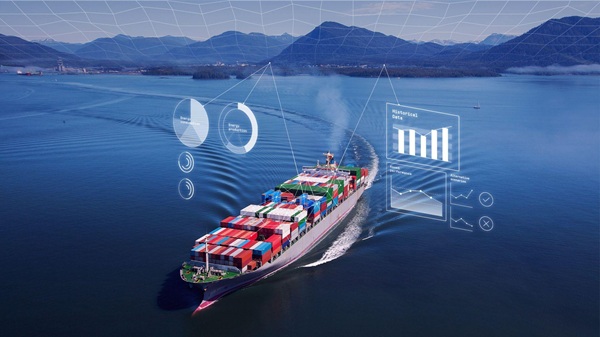
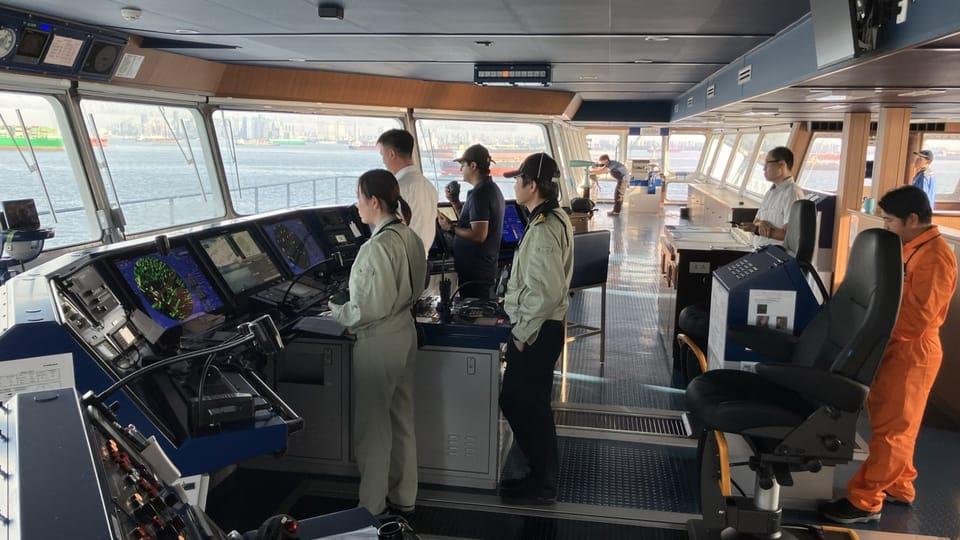
Effective management of vessels involves much more than just moving them around. Information about fuel usage, equipment condition, navigation, and performance is required by ship managers to take any actions.
Maritime Fleet Analytics converts operational data into information for taking actions both onboard and shoreside. The right information will allow managers to identify inefficiencies, monitor key performance indicators, and take action.
Tracking Vessel Performance More Clearly
Knowing how a vessel performs requires monitoring some key performance metrics. Ship performance analytics assist managers in monitoring fuel consumption, speed, equipment status, and other factors using digital information.
The process will allow shore teams to have more insight into the performance of the vessels. Managers can detect deviations faster and make decisions based on accurate data.
Key performance metrics
?
Improving Fuel And Emission Efficiency
Fuel consumption is directly linked with vessel operating costs and its performance. Vessel performance monitoring gives real-time data about excessive fuel use and how operations impact their efficiency.
Data may be used to make decisions on the speed of the vessel. Reduction of fuel consumption can increase efficiency while working on environmental goals.
Using Data for Smarter Route Planning
The weather and sea currents may affect the voyage time, fuel expenditure and vessel performance. With maritime fleet analytics, operational data can be linked with data regarding the voyage, which will help to make more reasonable decisions related to route planning.
Making better decisions regarding routes will allow avoiding unfavourable conditions and wasting unnecessary time on travelling.
Early Identification Of Maintenance Requirements
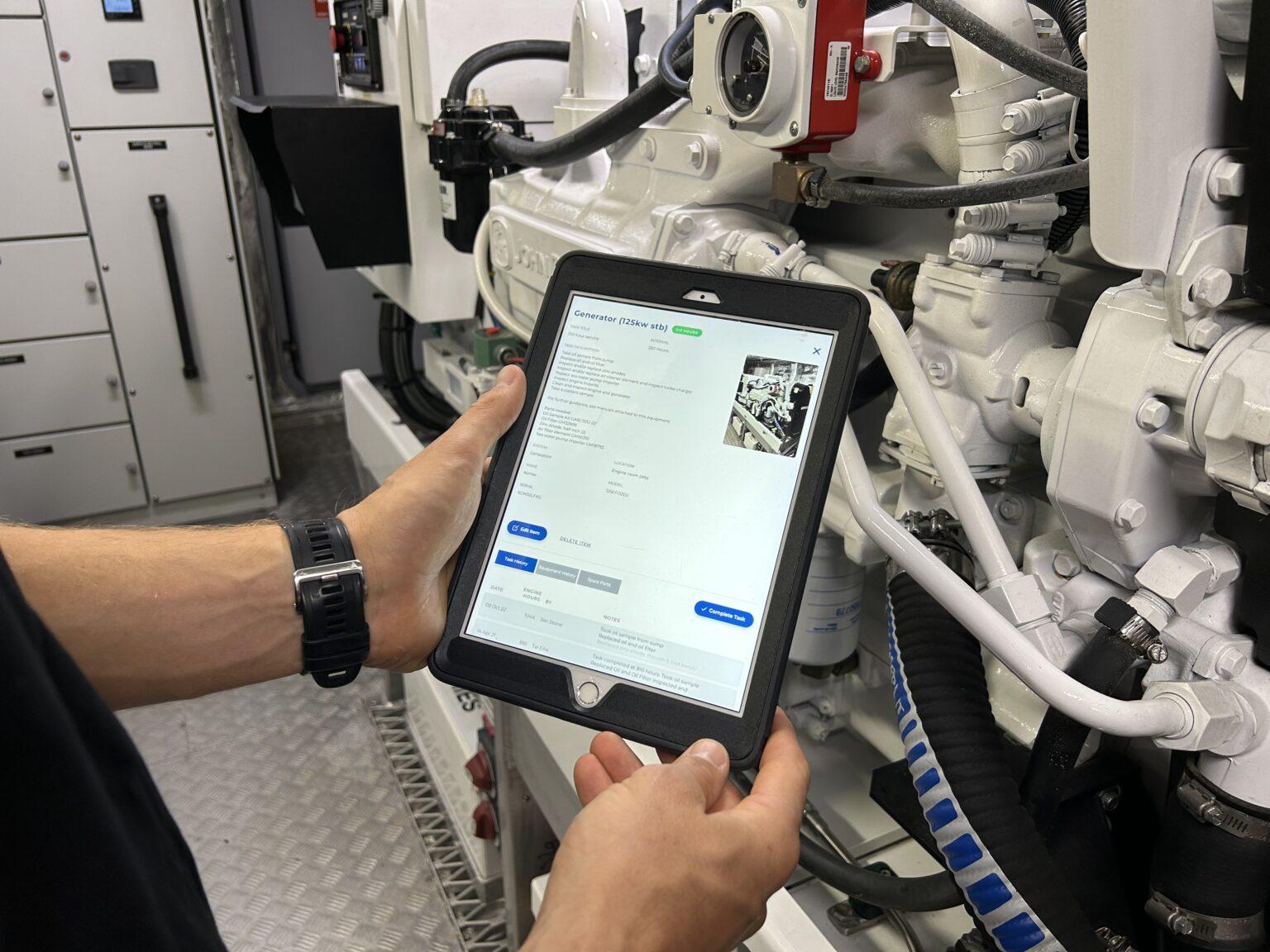
Equipment issues can be costly if they go undetected until an equipment failure happens. Maritime BI software aids in analyzing the equipment information and detect any variations in vibration, pressure and temperature.
Timely detection provides enough time for the technical teams to plan maintenance tasks. Performing maintenance in advance may prevent any equipment failures and ensure steady operation of vessels.
Maintenance Insights
Comparison Of Performance Among Vessels
The performance of a single vessel is easier to evaluate once managers are able to compare it against other similar vessels within the fleet. Fleet performance management offers a more comprehensive perspective on the outcomes of the operations and helps identify areas where individual vessels need special attention.
Comparison of performance can assist in making better plans concerning resource utilisation and can reveal the practices that result in better performance of vessels.
Final Words
Data-based management provides shipping companies with more knowledge about ship operations, fuel consumption, the condition of equipment, and voyage efficiency. Maritime fleet analytics unites all this information, providing management teams with insight for making decisions.
Years of industry expertise and collaborative efforts from seasoned professionals.



Dubai Office:
408, Dubai Real Estate Centre,
Al Mina Road, Satwa,
P.O. Box – 50127, Dubai, U.A.E.
+971 585 849 369
bd@triguninfotech.com
Singapore Office:
77 High Street, #04-10,
High Street Plaza, Singapore, 179433.
+65 8385 2195
bd@triguninfotech.com






Powered By: