Share this link via
Or copy link
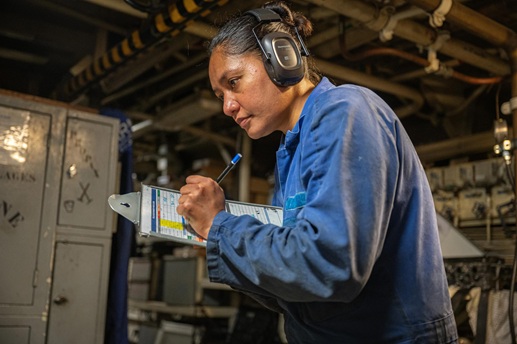
A ship needs to be maintained in a good state for its operation to take place effectively. The vessel's maintenance system will assist ship owners in reducing equipment breakdowns. It will ensure that all aspects of safety on the vessel are achieved during each voyage.
A planned maintenance system is an organized process through which maintenance can be planned and conducted on the vessel.
The Purpose Of A Planned Maintenance System
A planned maintenance system refers to a system through which maintenance is scheduled based on the manufacturer's requirements, the number of running hours of equipment, or the condition of the equipment.
The planned maintenance system ensures the proper performance of vessels while minimizing equipment breakdowns. This system avoids unplanned equipment breakdowns by having maintenance schedules for critical equipment on board the ships.
Key Functions
Essential Components of an Effective PMS
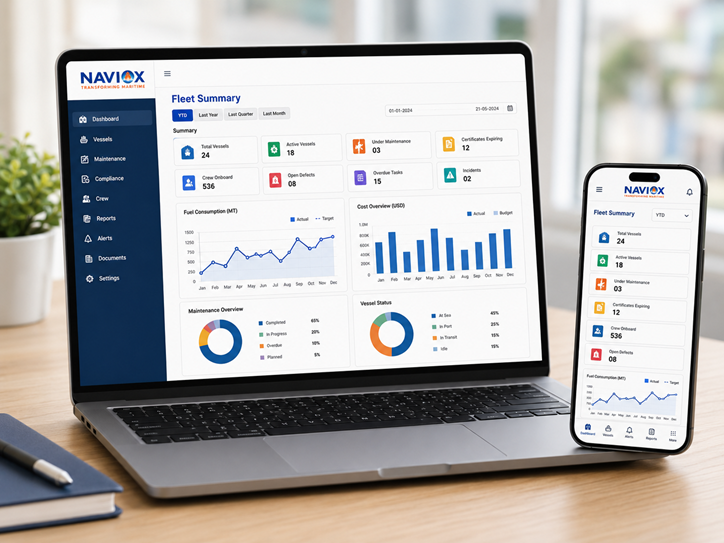
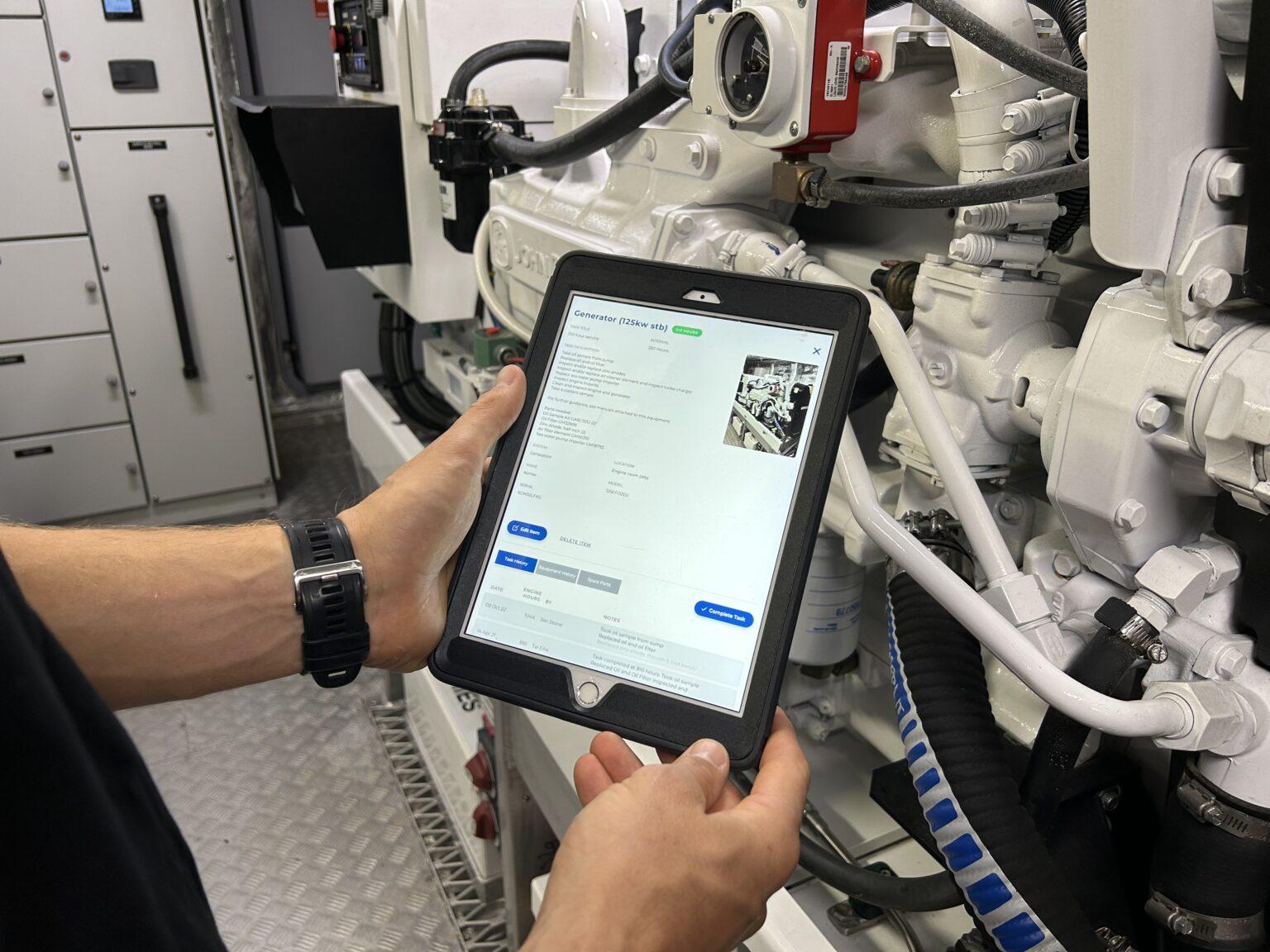
Efficient maintenance operations depend on a number of interconnected components. Modern ship maintenance software integrates asset registers, maintenance schedule work orders, spare parts information, and maintenance history into a single system.
The use of interconnected processes increases understanding of the condition of machinery and facilitates completion of maintenance jobs based on proper operation data.
Core Components
How Preventive Maintenance Improves Vessel Reliability
Consistent preventive maintenance lowers the chances of any equipment failure that will affect vessel operations. Inspections and maintenance scheduling enable the crew to detect any signs of wear and tear before they escalate into costly repair work.
These practices increase the efficiency of the machines and make vessel operations safe.
Advantages of Preventive Maintenance

Why Digital Maintenance Management Matters
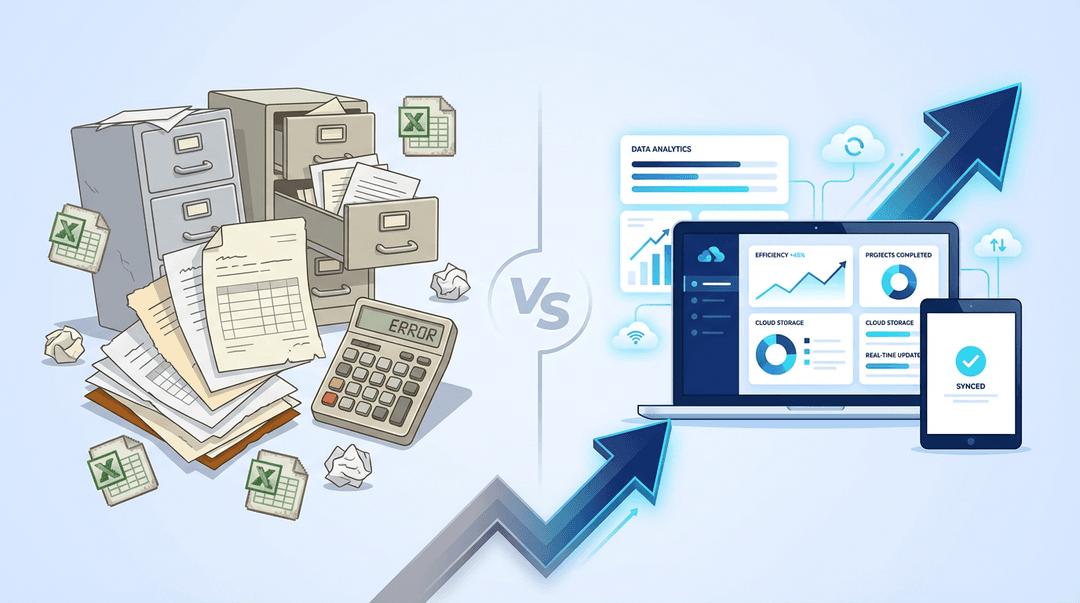
The modern system of vessel maintenance management uses computerized systems to store maintenance data in an efficient manner as compared to the paper-based system used previously. The computerized system increases the efficiency of the maintenance process and makes maintenance easy to analyze.
The advanced system of maritime maintenance software keeps maintenance scheduling, work order maintenance history, and spare parts records in one system.
Building A Strong Planned Maintenance Process
Development of an efficient maintenance program starts with obtaining data on equipment, manufacturer instructions, and maintenance guidelines. Maintenance programs must be based on recommended maintenance intervals in relation to vessel operation requirements.
Training of the crew is still important for the efficient implementation of maintenance programs. Correct use of the systems will allow engineers to document maintenance activity properly.
To Wrap Up
An effectively planned maintenance system enables shipping companies to enhance equipment reliability, reduce unplanned downtimes, and achieve steady operational performance through proper maintenance planning.
Choose Naviox for easy management of your planned maintenance system using an advanced digital tool, which makes it easier for your crew to conduct maintenance tasks and ensure safe and reliable operations of your ships.
Years of industry expertise and collaborative efforts from seasoned professionals.



Dubai Office:
408, Dubai Real Estate Centre,
Al Mina Road, Satwa,
P.O. Box – 50127, Dubai, U.A.E.
+971 585 849 369
bd@triguninfotech.com
Singapore Office:
77 High Street, #04-10,
High Street Plaza, Singapore, 179433.
+65 8385 2195
bd@triguninfotech.com


Powered By: